Lienz, the Dolomite town

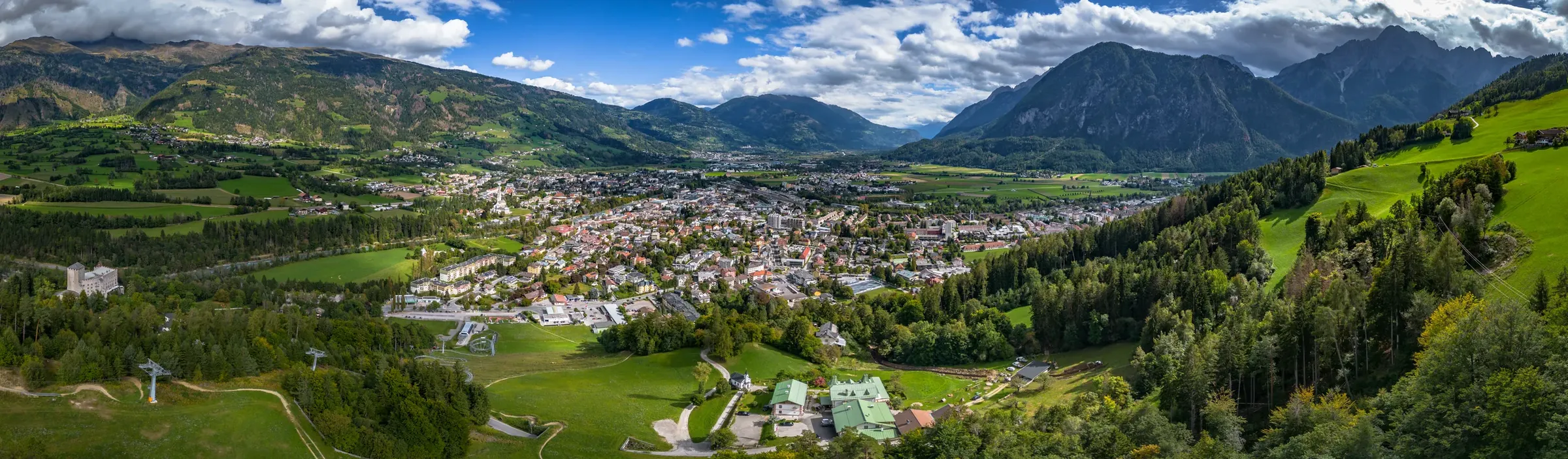
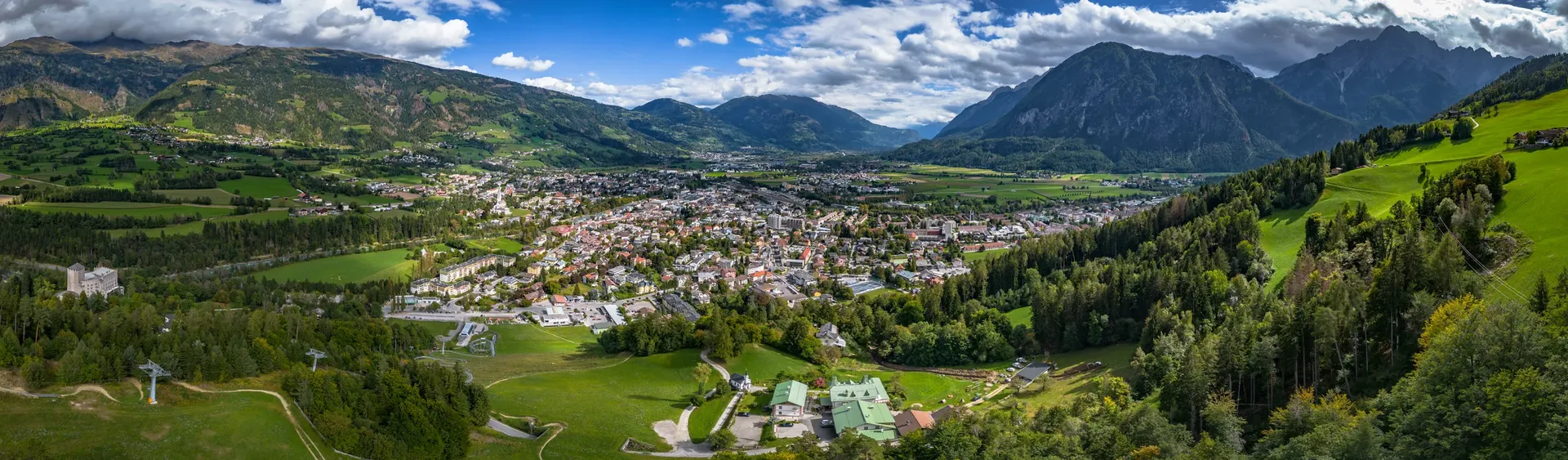
Osttirol's main town sits where the Isel meets the Drava (Drau), with the jagged Lienz Dolomites as its backdrop.

Image credit: © TVB Osttirol / 43ride.com

At a glance

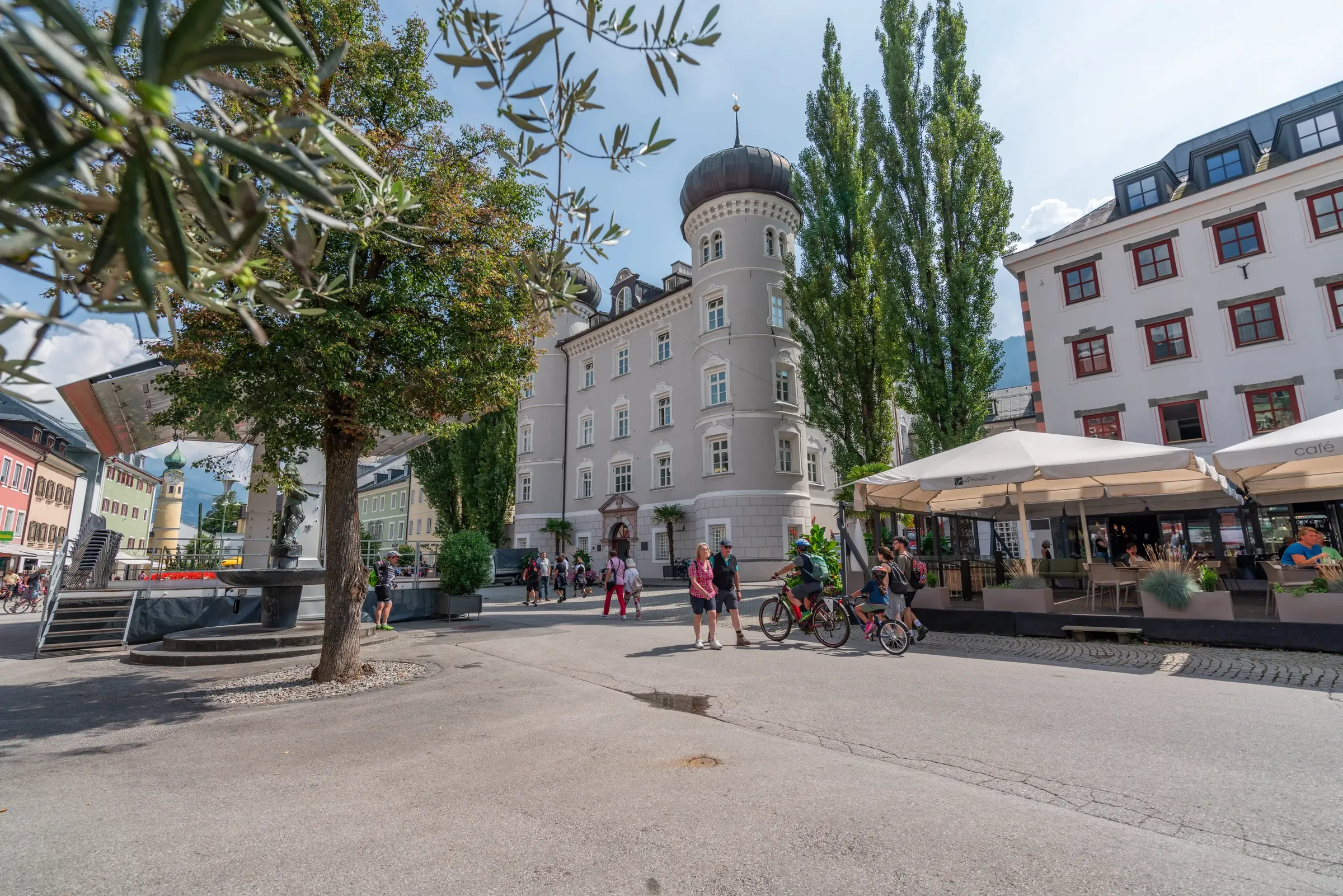
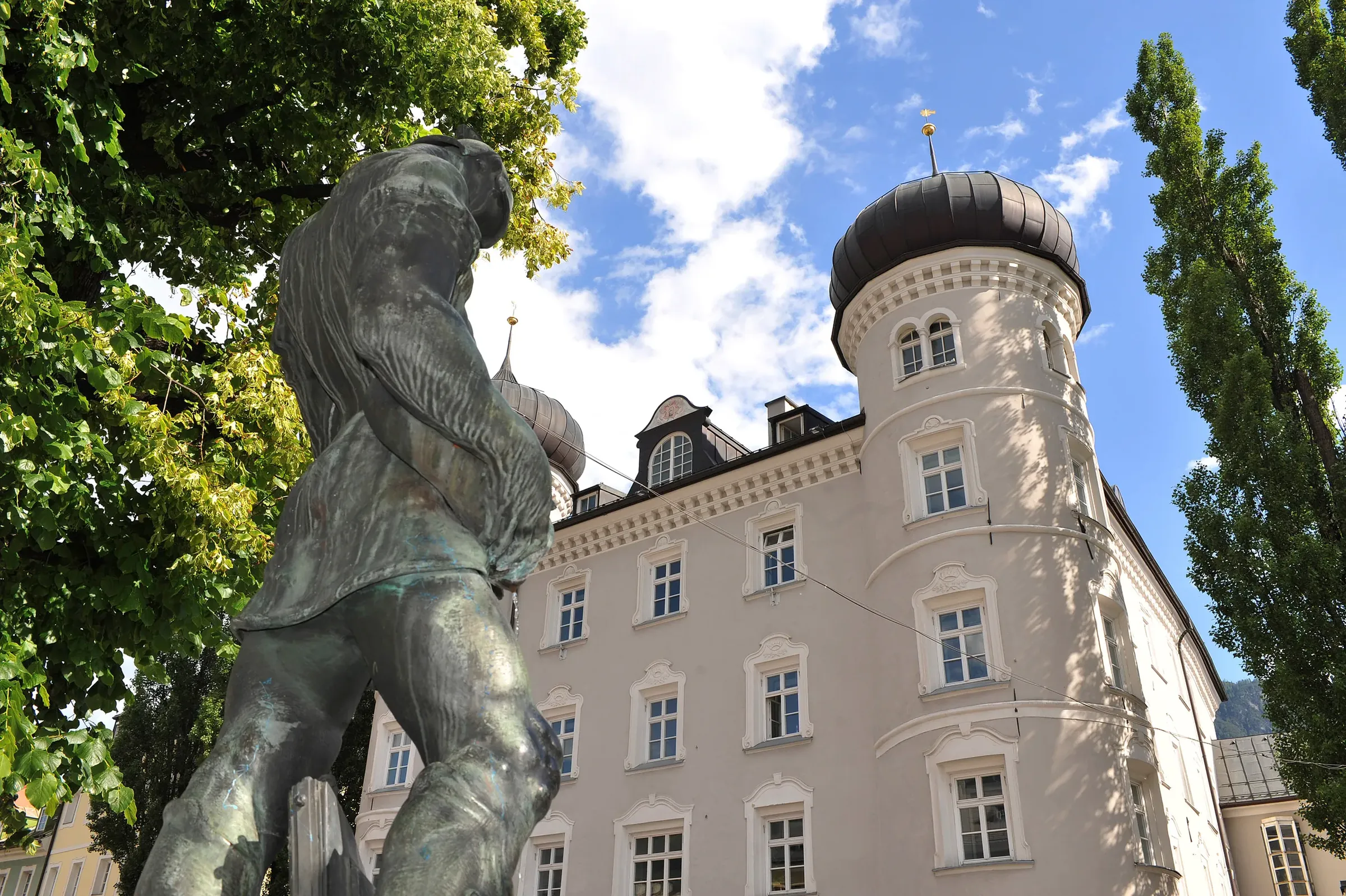
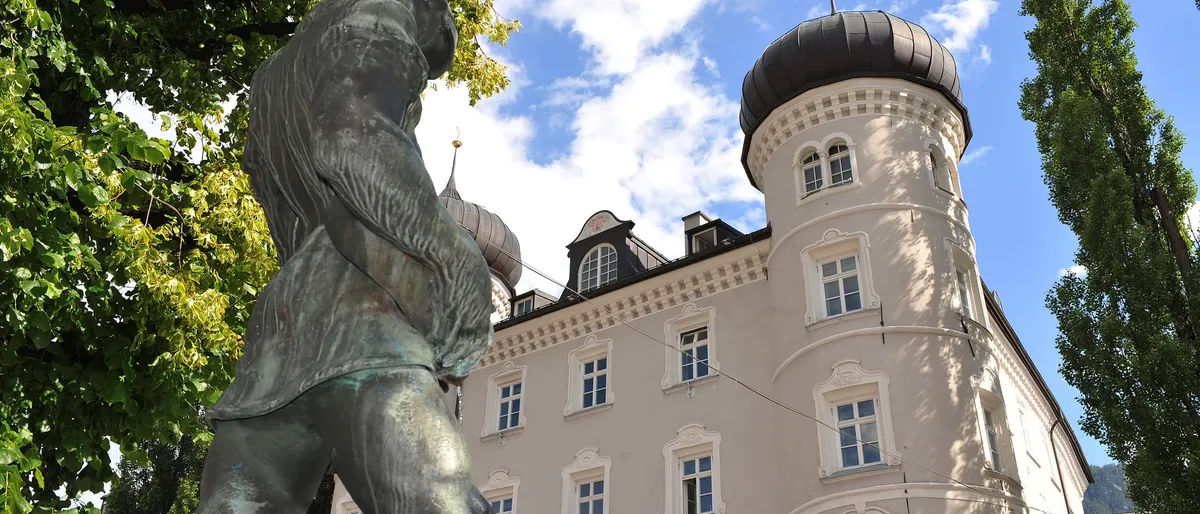
  • The Liebburg with its onion-domed towers, a bronze sculpture in front
    © Tirol Werbung / Bernhard Aichner

    A small town with a long past

    Lienz, which had 12,105 residents on 1 January 2026, lies at roughly 670 metres in the Lienz basin, where the Isel, fed by the glaciers of the Hohe Tauern, flows into the Drava. The Lienz Dolomites rise steeply to the south, which is why locals like to call it the Dolomite town. Lienz first appears in records in the early 11th century and is named as a town in 1242. In the Middle Ages it was the main seat of the Counts of Gorizia; when their line died out in 1500, their lands passed to Maximilian I.
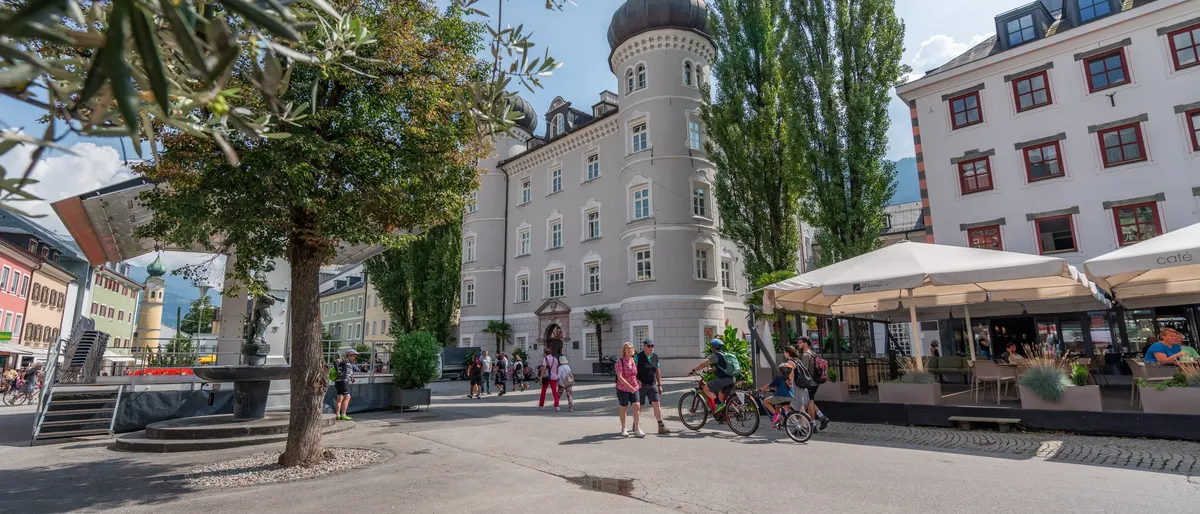
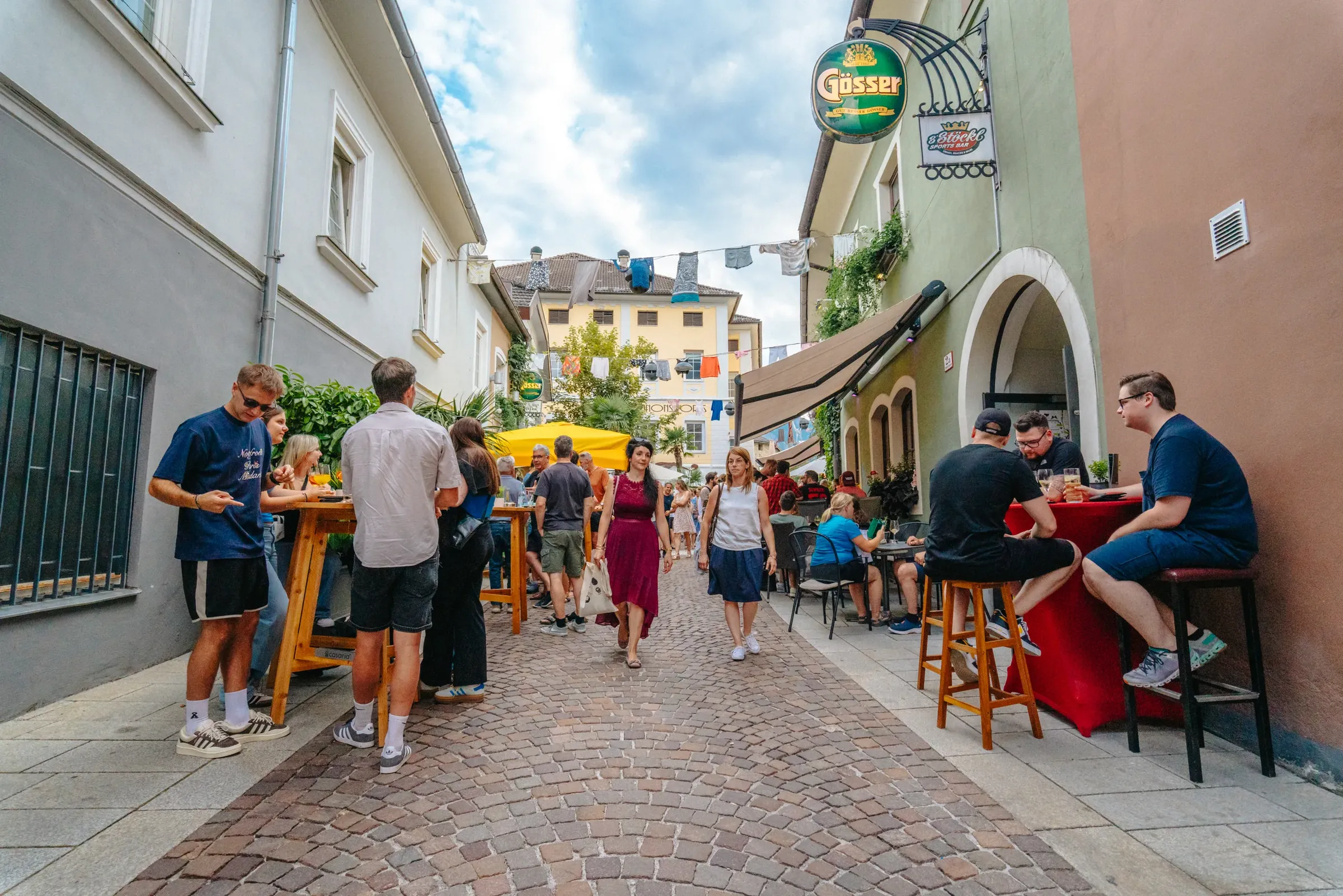
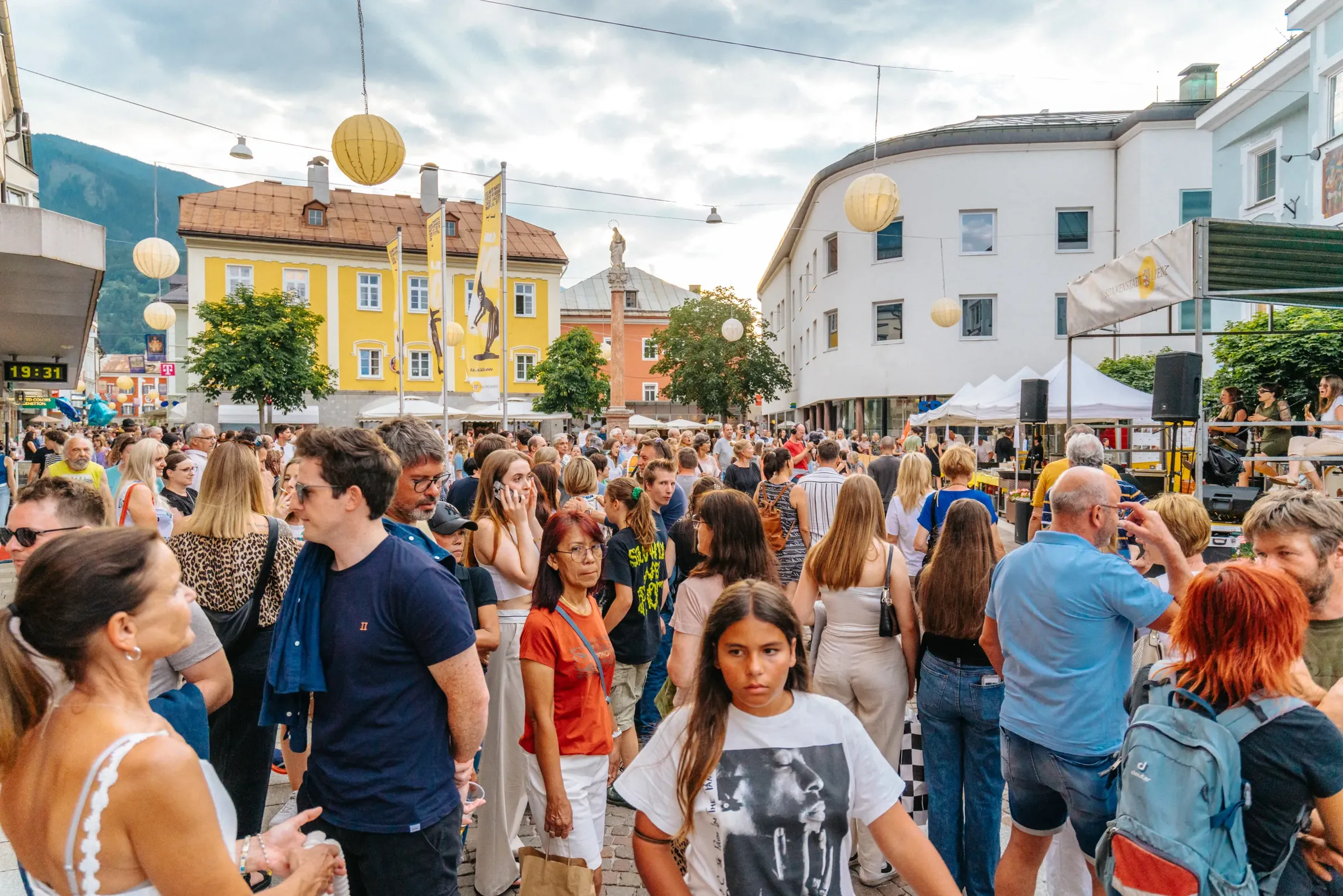
  • Main square with the Liebburg and outdoor cafés on a summer day
    © TVB Osttirol / Peter Maier

    The main square and old town

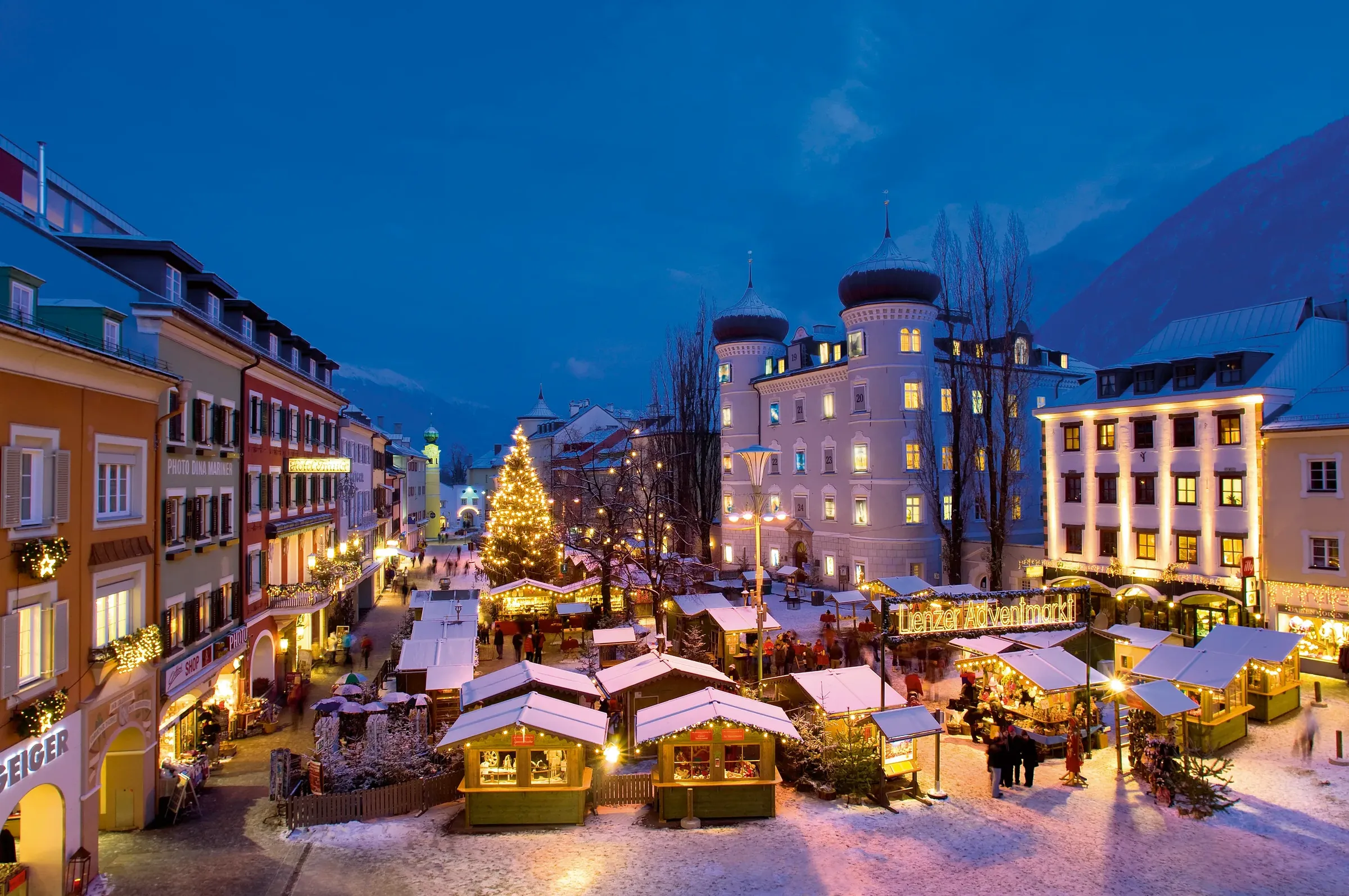
    Life in Lienz centres on the long Hauptplatz, lined with cafés, shops and outdoor tables. At one end stands the Liebburg, a twin-towered residence from the early 17th century built by the Wolkenstein-Rodenegg family and now the town hall. The small Antoniuskirchl (St Anthony's chapel) also stands on the square. A short walk takes you to the Franciscan church, the Dominican convent known as the Klösterle, and the riverside paths along the Isel and Drava. For places to eat, see the restaurants (in German).

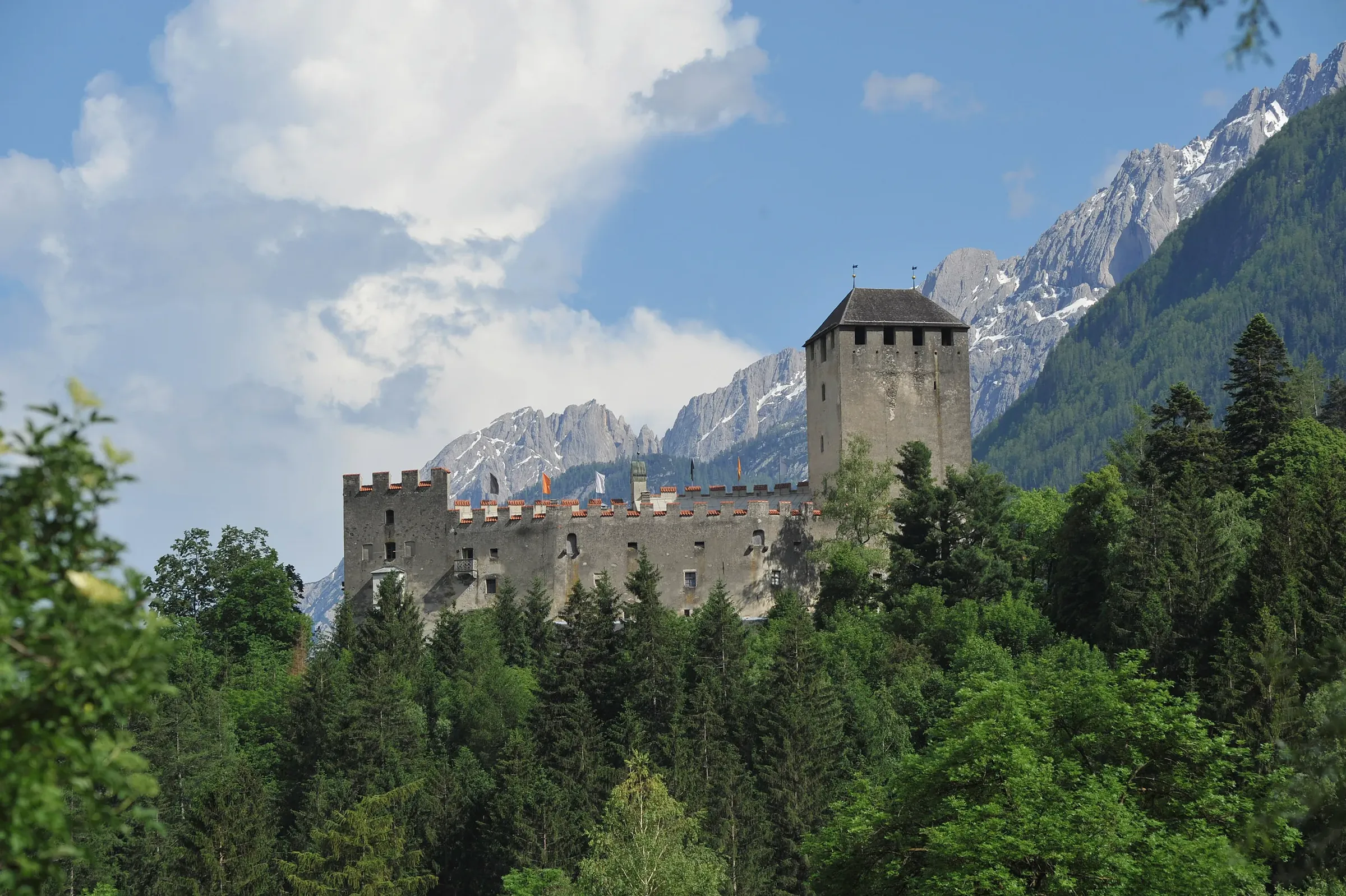
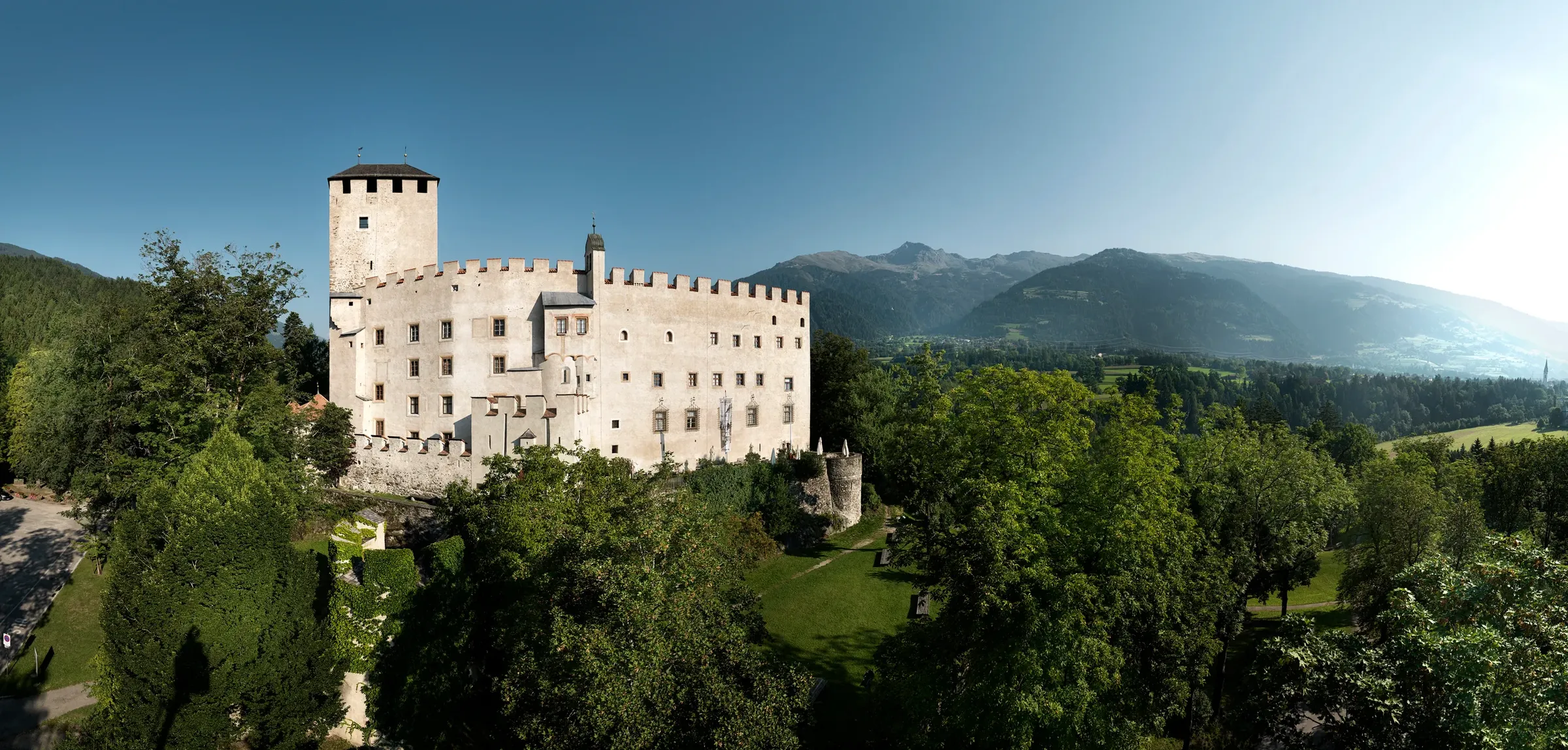
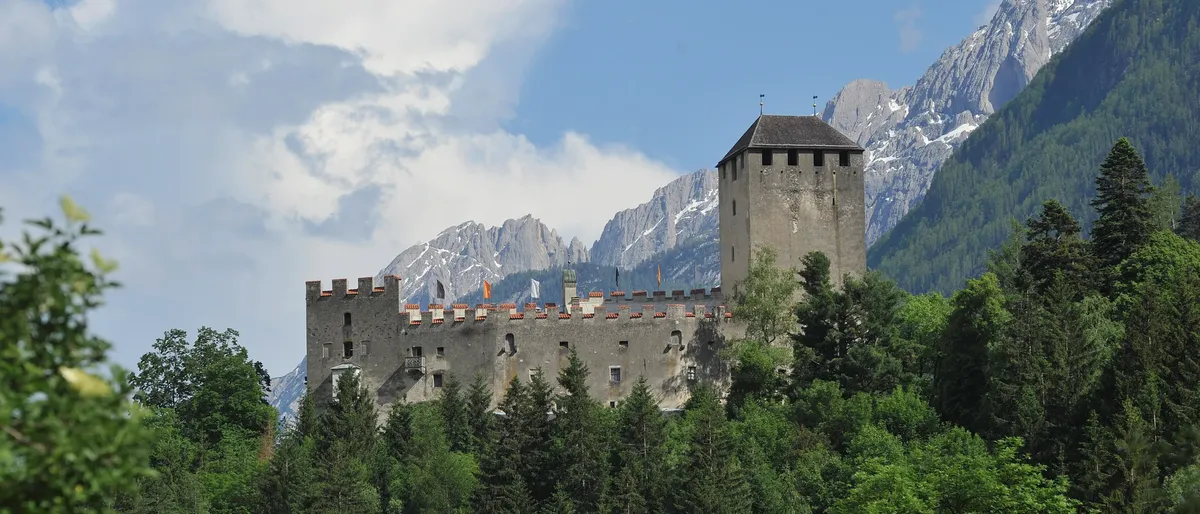
  • Bruck Castle with its keep above the forest, the Lienz Dolomites behind
    © Tirol Werbung / Bernhard Aichner

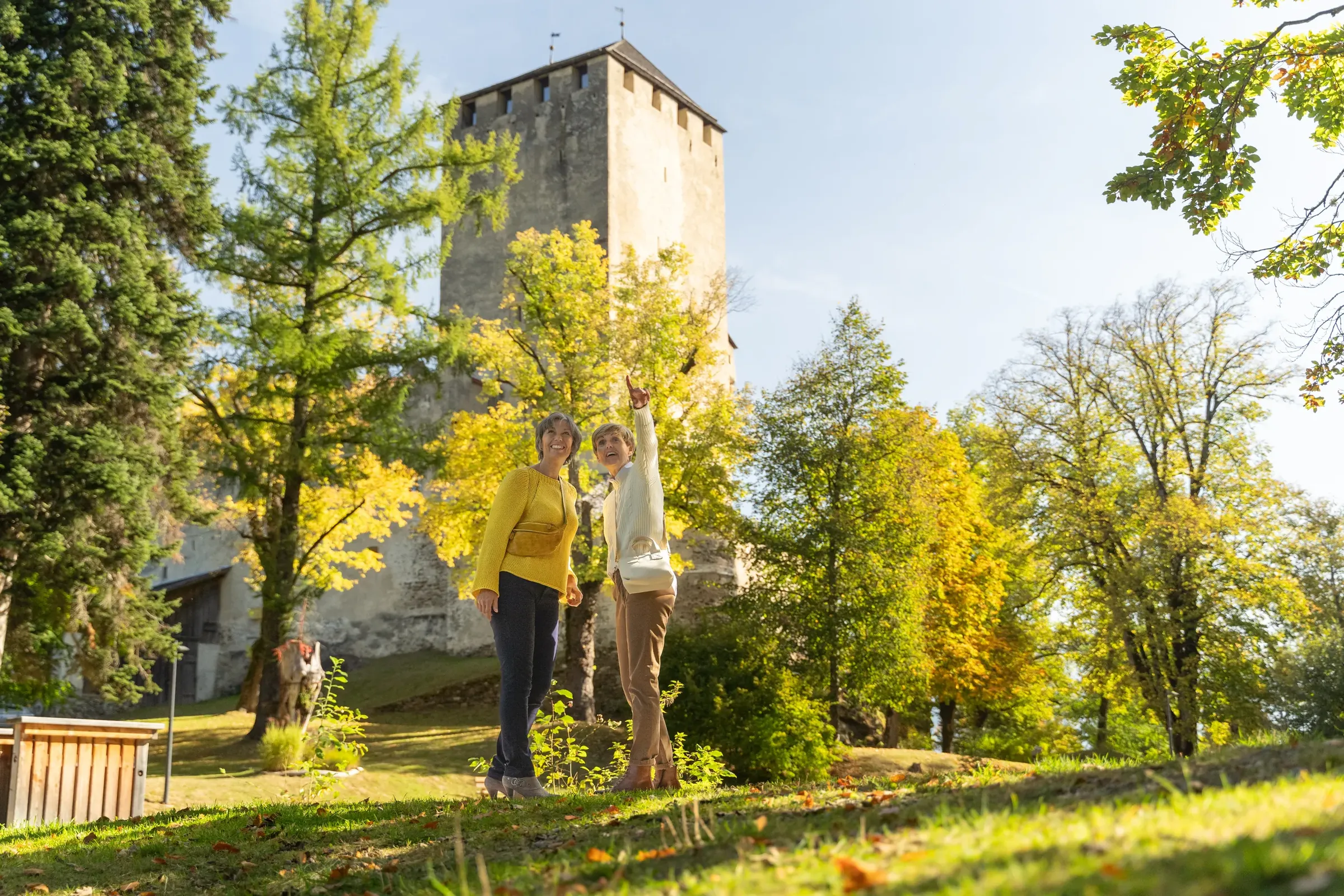
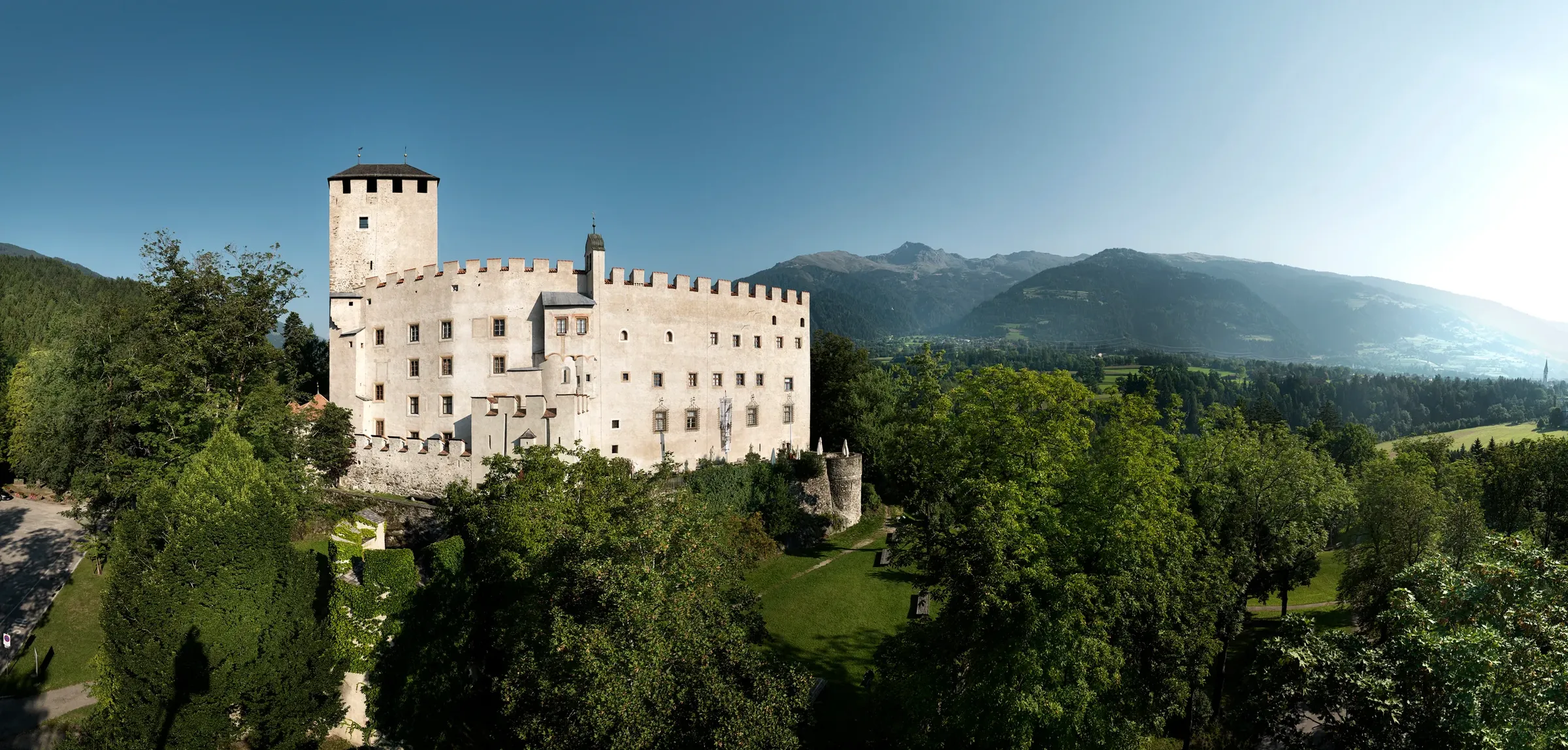
    Bruck Castle

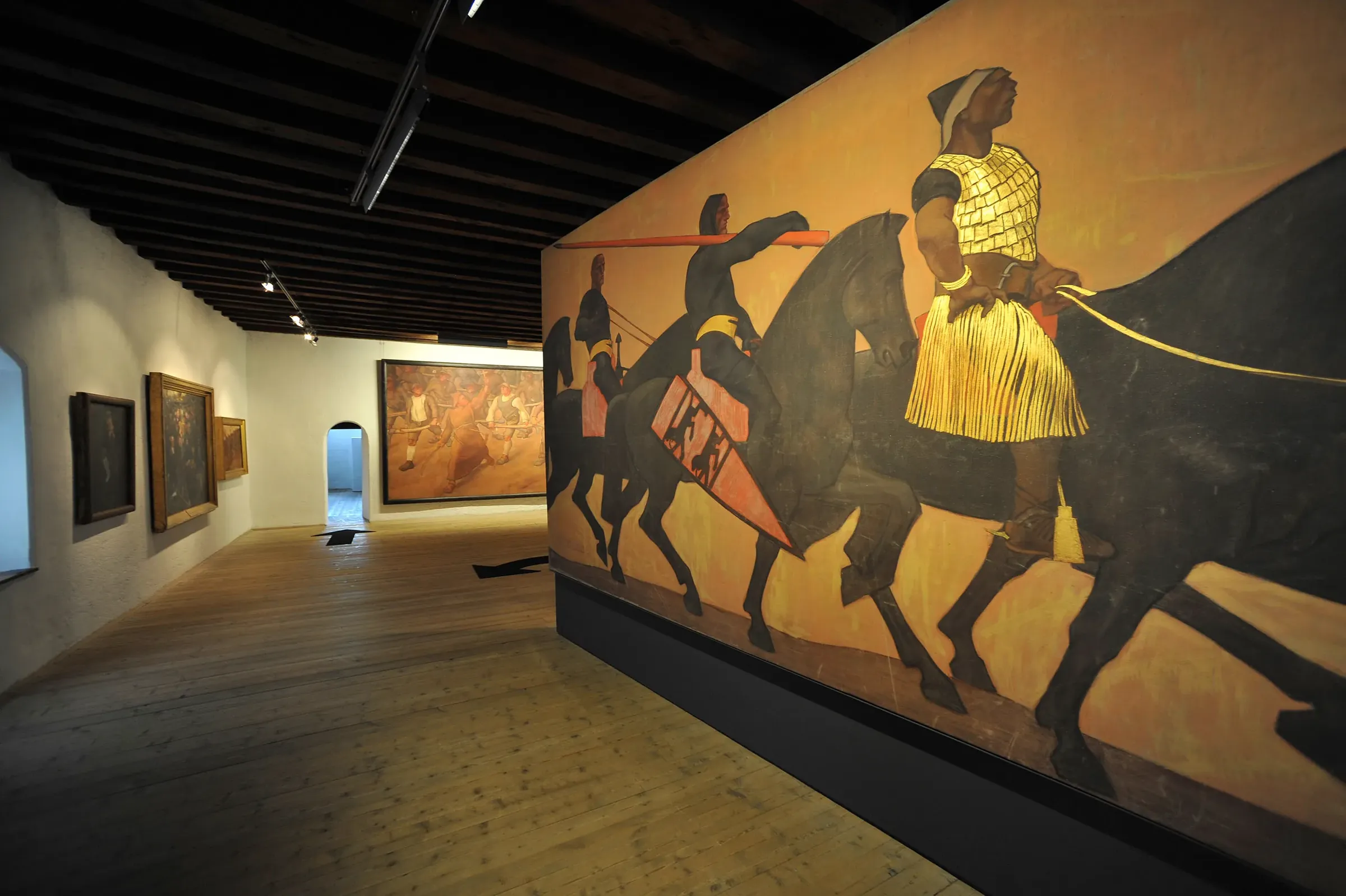
    On the western edge of town, at the foot of the Hochstein, stands Schloss Bruck. The Counts of Gorizia built it in the 13th century as their residence, and since 1943 it has housed the Lienz town museum. Highlights include a large collection of paintings by Albin Egger-Lienz, who was born near Lienz, works by Franz Defregger, and displays on folk culture and archaeology. The castle chapel has late Gothic frescoes attributed to Simon von Taisten. In summer the courtyard hosts exhibitions and concerts.

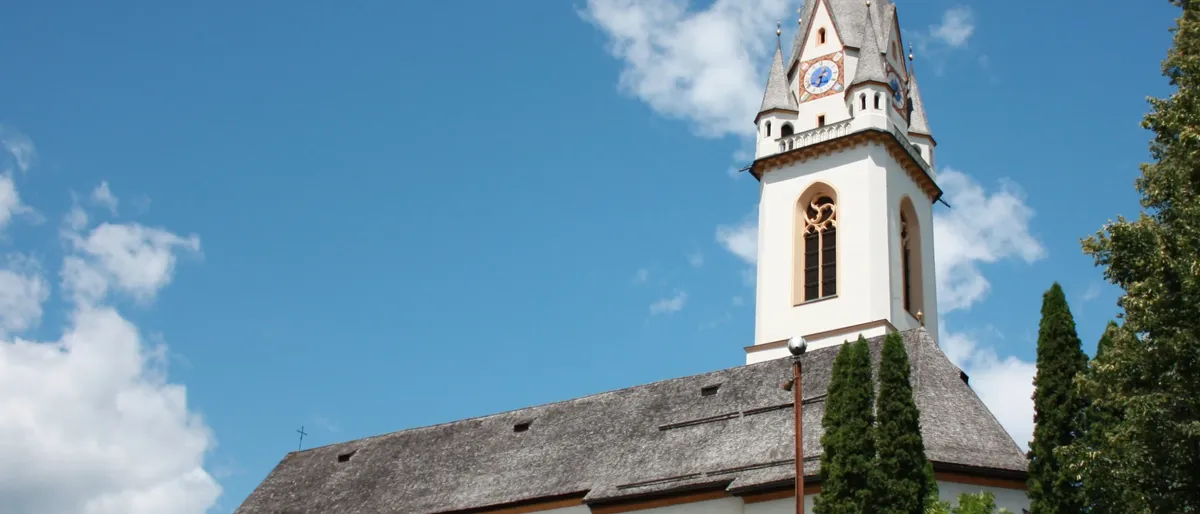
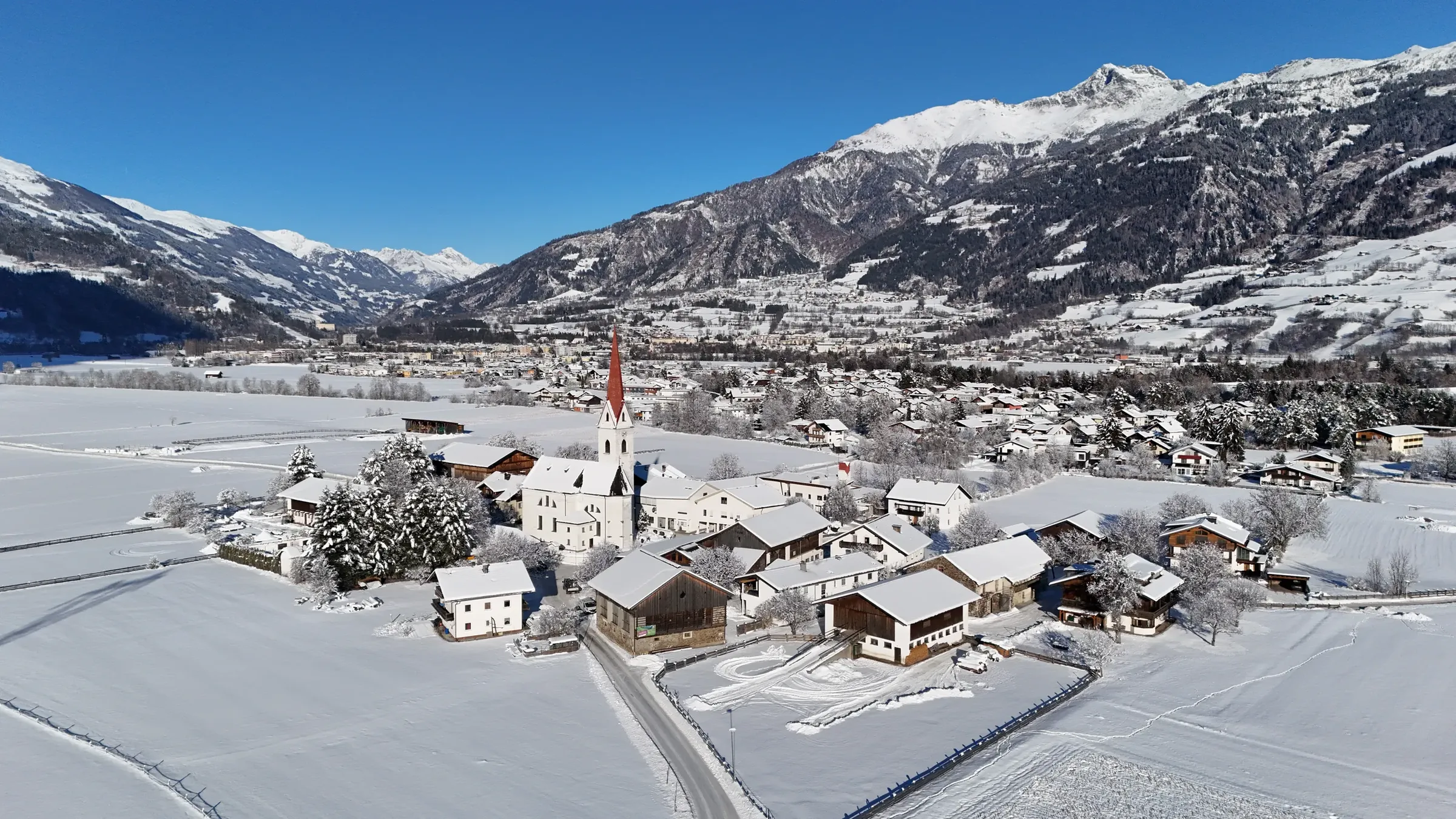
  • St Andrew's parish church with its pointed spire and long nave under a blue sky, trees and cypresses in front
    Photo: Mefusbren69, Wikimedia Commons, public domain

    St Andrew's and the war memorial

    The parish church of St. Andrä stands on raised ground in the Patriasdorf district. It grew out of an early medieval church and was enlarged into a Gothic basilica in the 15th century. Next to it is the district war memorial, designed by the architect Clemens Holzmeister and decorated with paintings by Egger-Lienz.

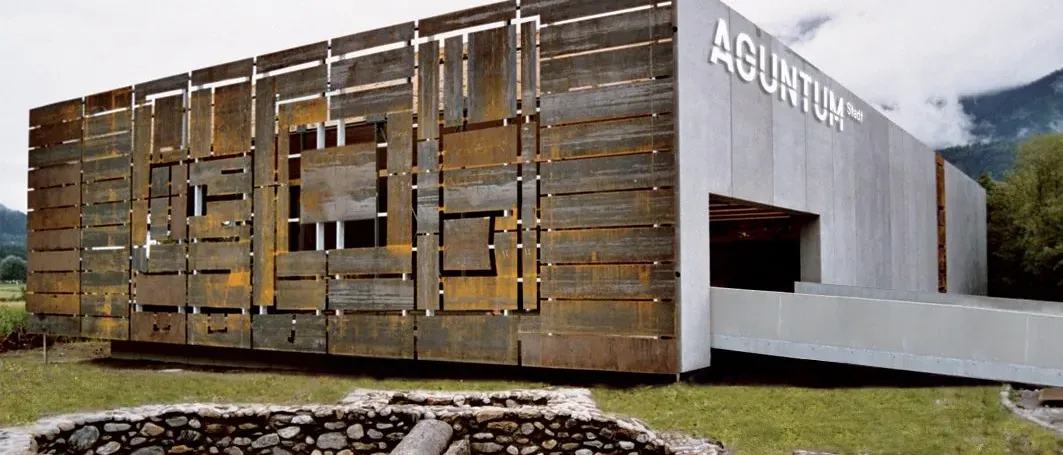
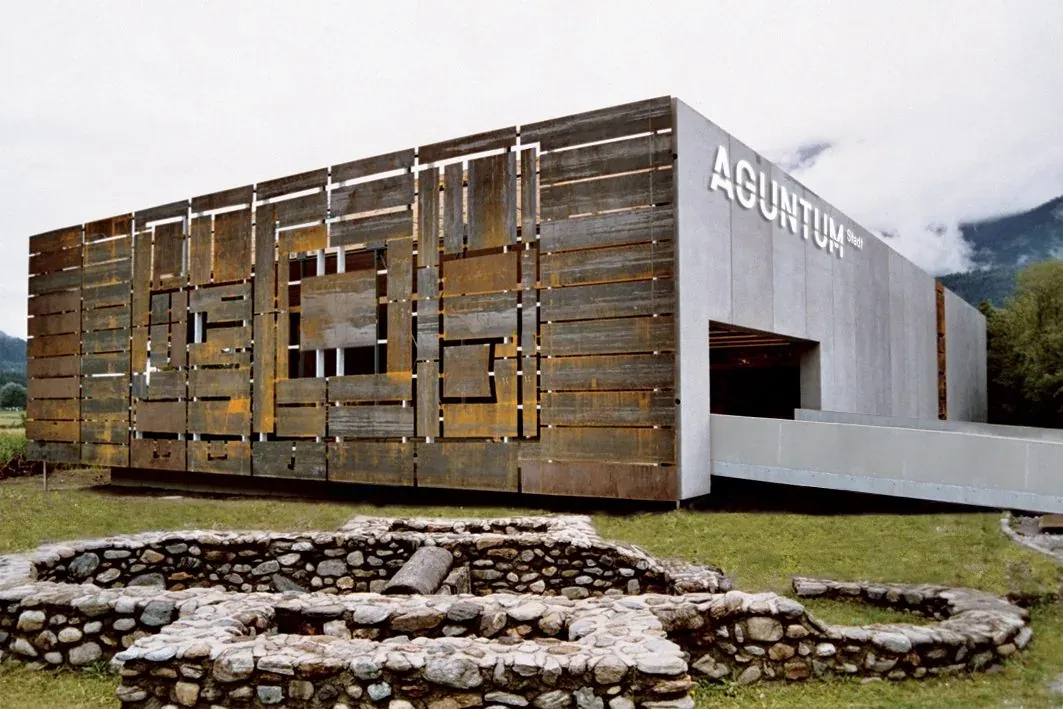
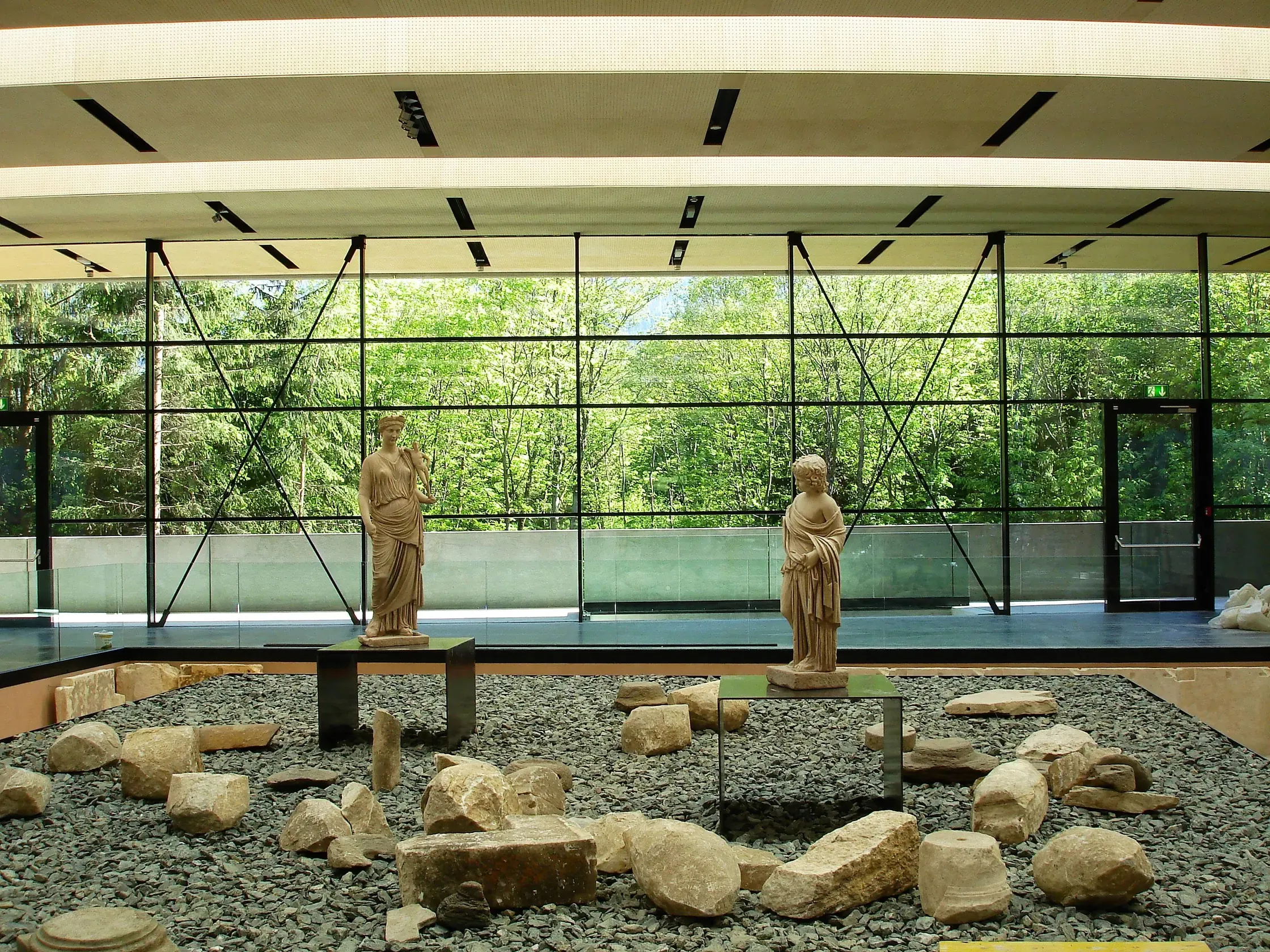
  • Excavated walls and buildings of the Roman town of Aguntum
    © TVB Osttirol / Verein Curatorium pro Agunto

    Aguntum: a Roman town next door

    About four kilometres east of Lienz, in the municipality of Dölsach, lie the remains of Aguntum, which Emperor Claudius raised to the status of a Roman municipium in the 1st century AD. Excavations have uncovered part of the town wall and gate, a large bath complex and an atrium house. The Aguntum museum displays the finds, and a viewing tower lets you look out over the dig. On a hill in nearby Lavant, a fortified settlement grew up in late antiquity.

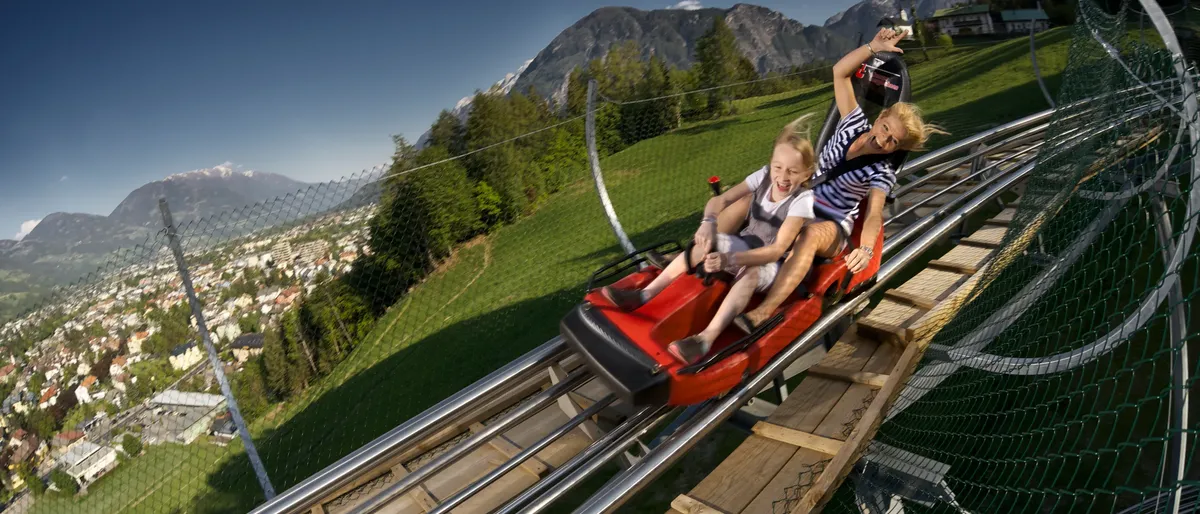
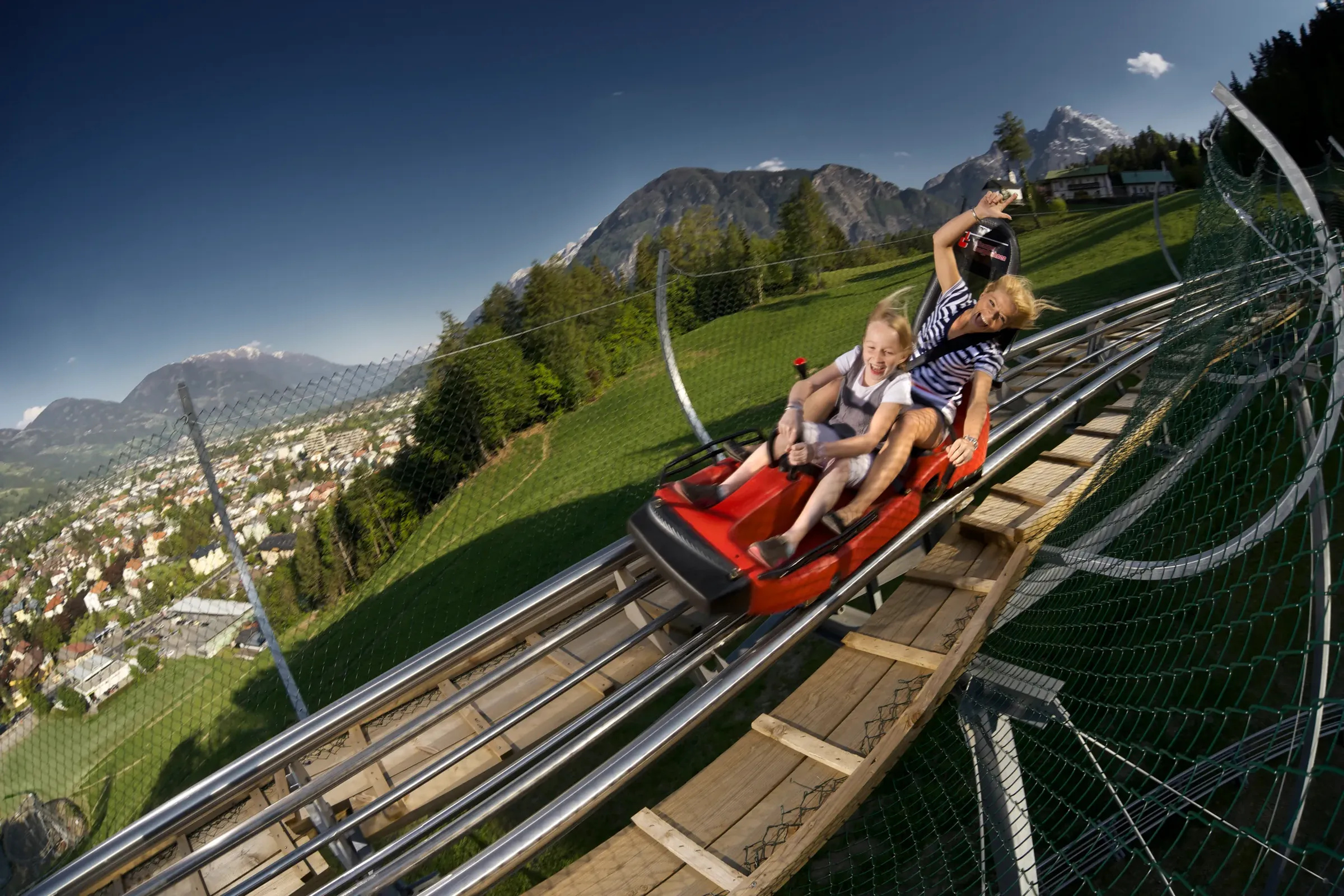
  • Two children riding the alpine coaster downhill, Lienz below
    © TVB Osttirol / Martin Lugger

    Local mountains and things to do

    • Zettersfeld: north of town, a family-friendly ski area in winter and a hiking area with wide views of the Dolomites in summer.
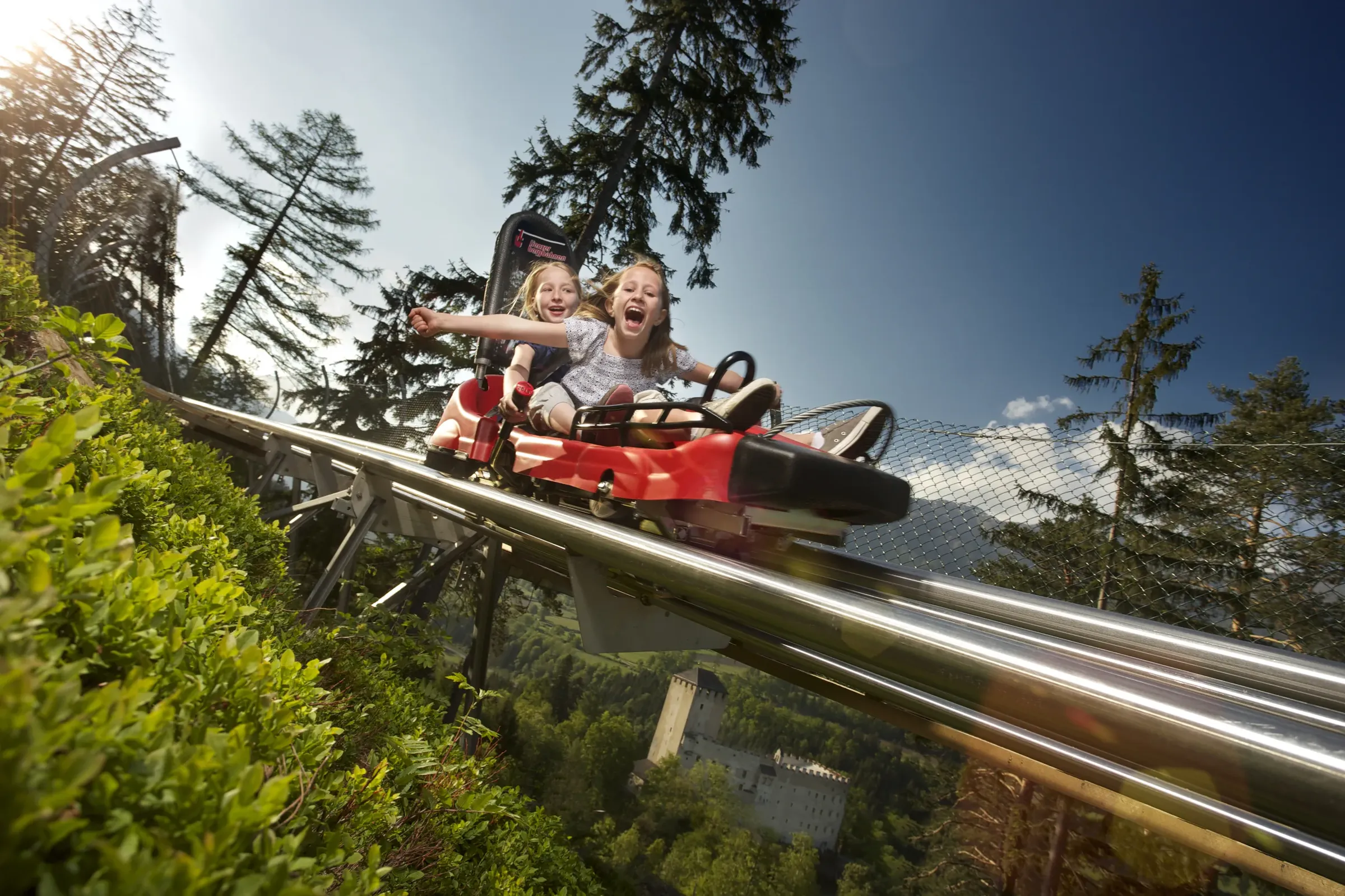
    • Hochstein and Schlossberg: reached by the Schlossbergbahn next to Bruck Castle and, in summer, the chairlift on to the Hochstein, with walking trails, a high ropes course, the Osttirodler alpine coaster and the Venedigerwarte lookout tower.
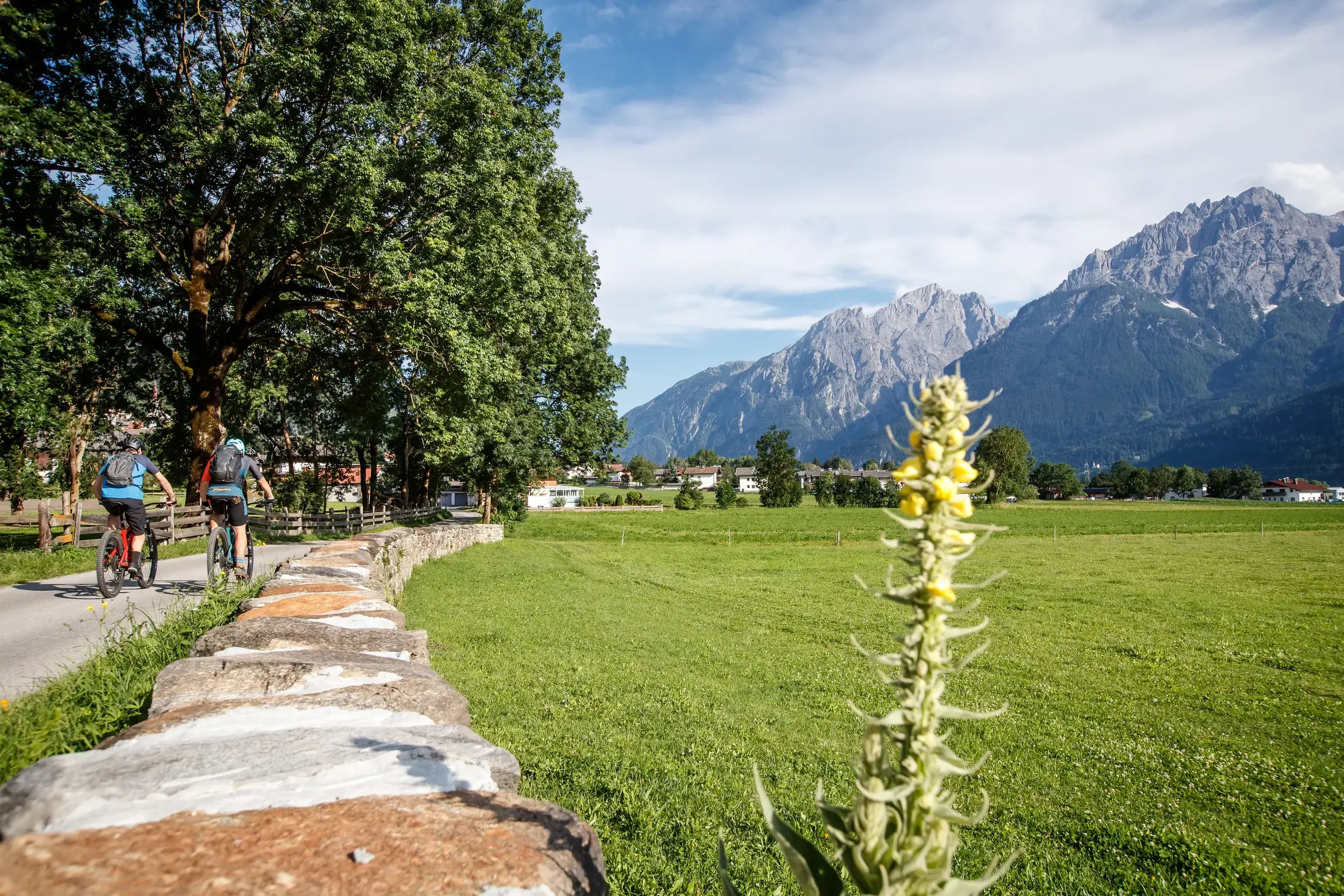
    • Drava cycle path: runs right through town and links Lienz with South Tyrol upstream and Carinthia downstream; from Dobbiaco to Lienz it runs mostly downhill. More on the Drava Cycle Path page.
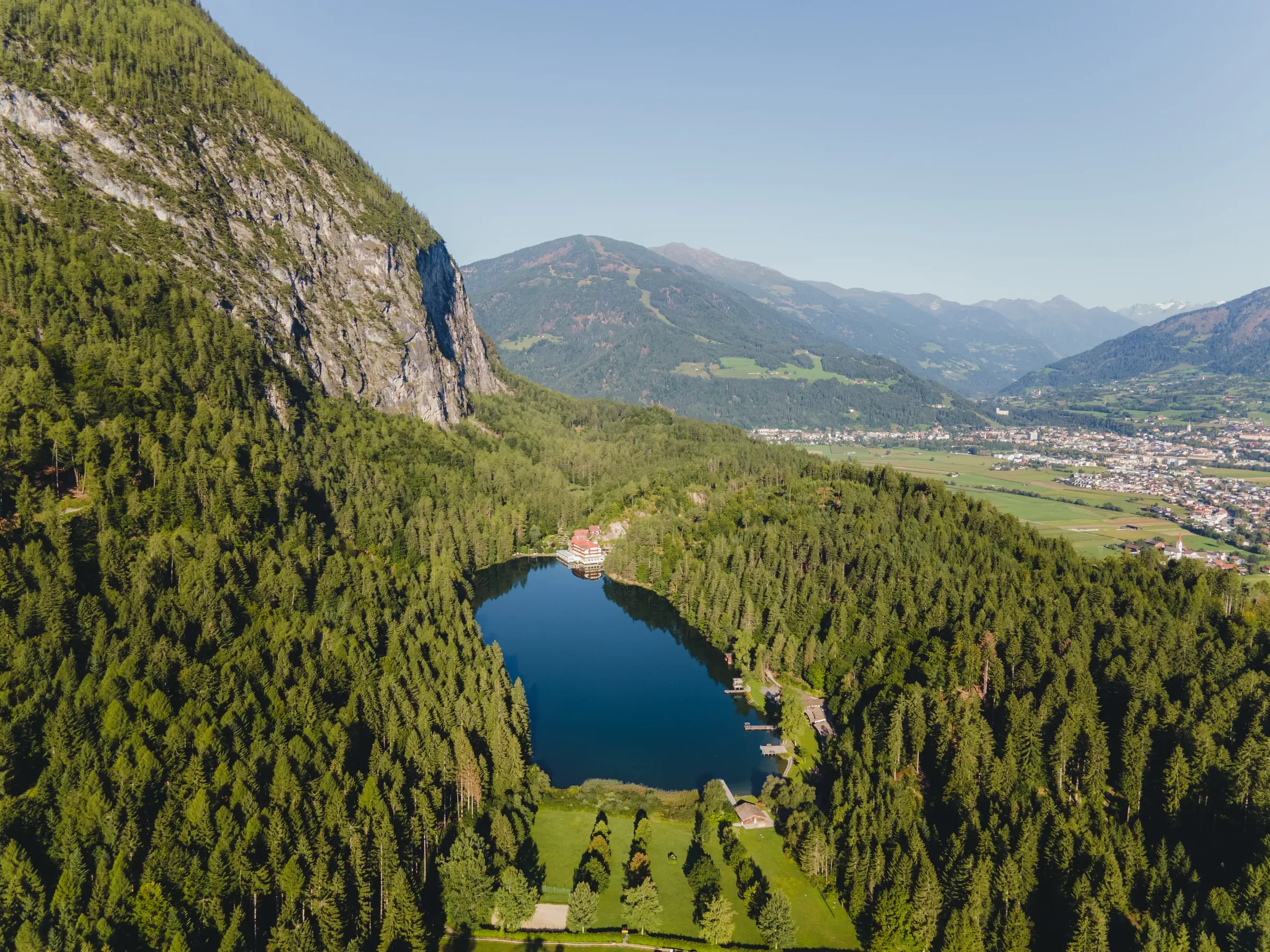
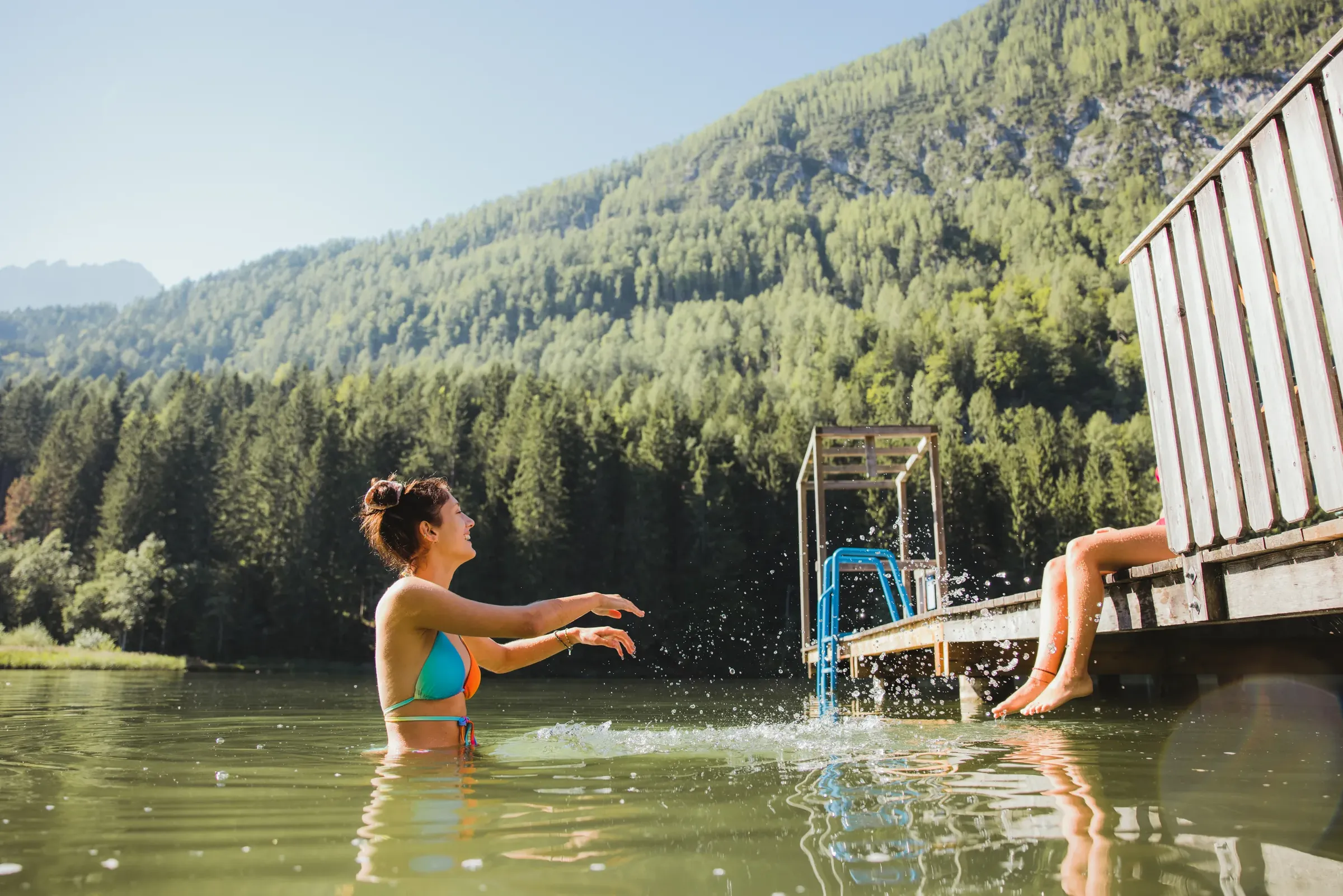
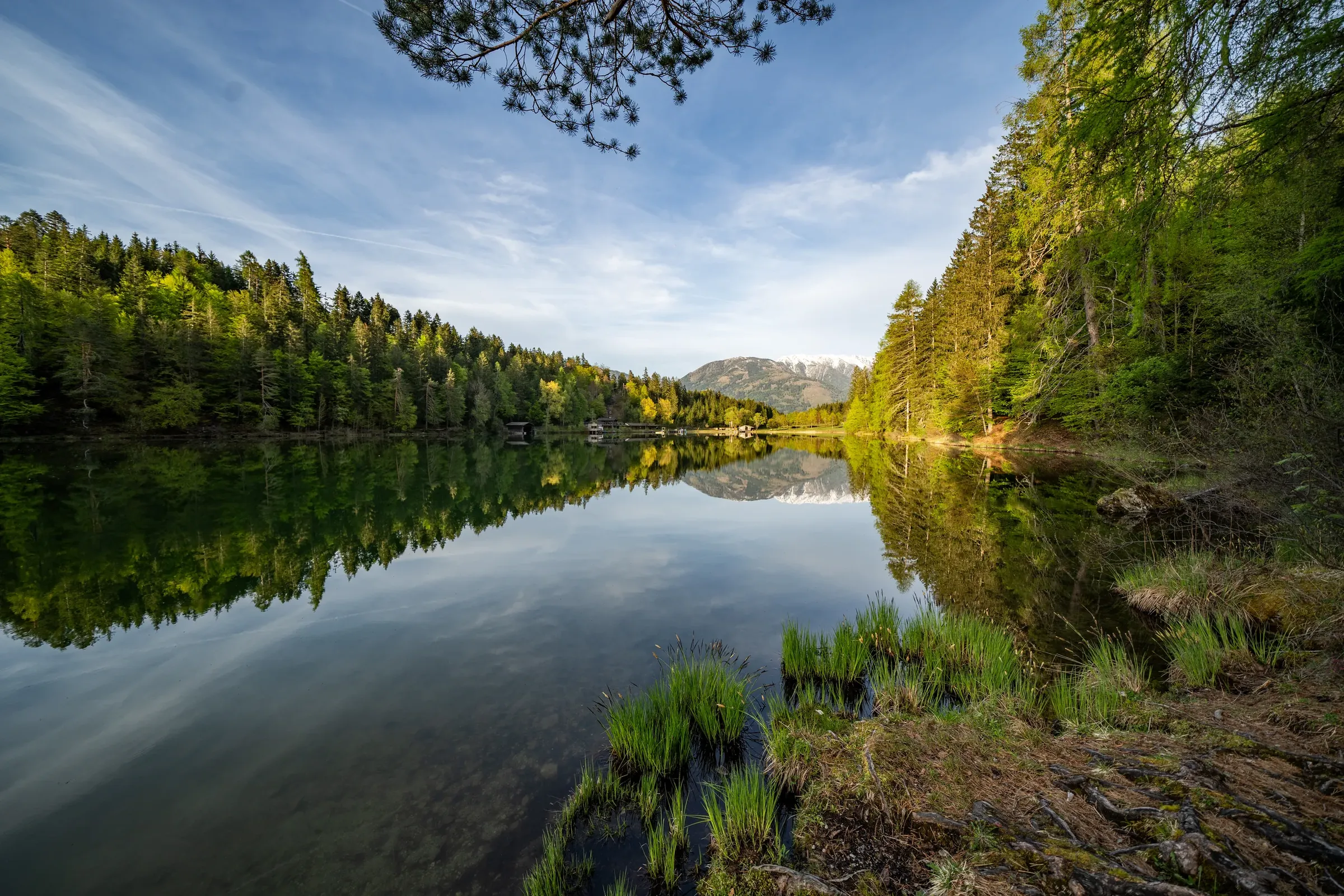
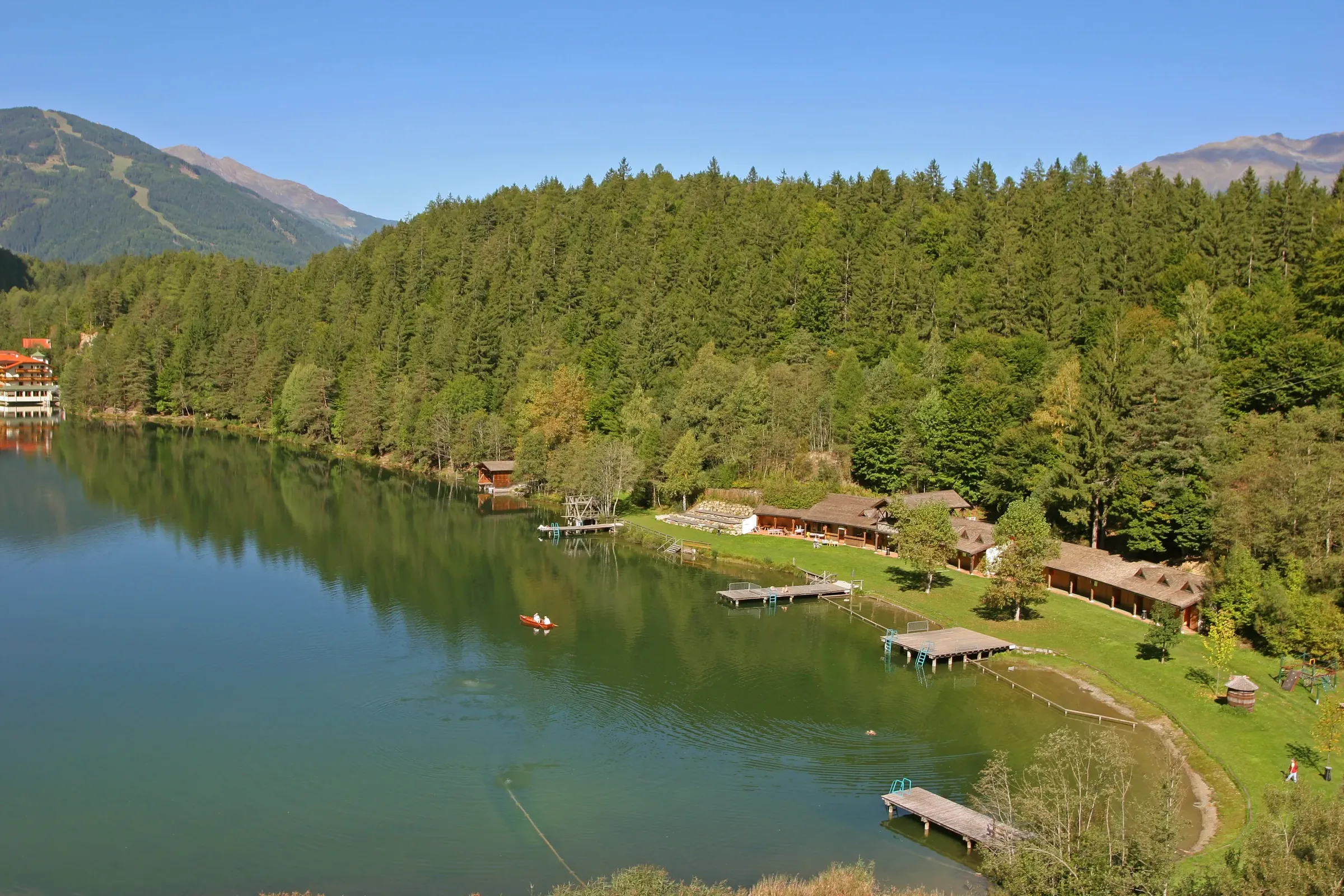
    • Tristacher See: a swimming lake at the foot of the Dolomites, a few kilometres south-east.

    Weekly market, concerts or the Advent market on the Hauptplatz: dates are listed under events (in German) and places to stay under accommodation (in German). Lift times and summer operations are listed by the Lienzer Bergbahnen.

More about Osttirol

Lienz through the centuries

  1. 1st century AD

    Aguntum becomes a municipium

    A settlement by the Debantbach predates the Roman imperial period. Under Emperor Claudius (AD 41-54), it became Municipium Claudium Aguntum; the exact year is not recorded.

  2. Third quarter of the 13th century

    Schloss Bruck is built

    The Counts of Gorizia built Schloss Bruck as their residence. The exact year of construction is not recorded.

  3. 1500

    Lienz passes to the Habsburgs

    Leonhard, the last Count of Gorizia-Tyrol, died without an heir. Under an inheritance agreement, Schloss Bruck and the lordship of Lienz passed to King Maximilian I.
  4. 1609

    A town fire devastates Lienz

    Within three hours, a fire destroyed most of the town, including the newly completed Liebburg.

  5. 1871

    The railway reaches Lienz

    The opening of the Puster Valley railway gave Lienz its first rail connection, towards Vienna.

  6. 1943 and 1945

    Schloss Bruck becomes a museum

    It opened on 13 June 1943 as the Osttiroler Heimathaus. Museum operations stopped after four months because of the war and resumed in 1945.

Find accommodation

Explore hotels, holiday apartments and huts in our German-language accommodation overview.